Waterproofing Services

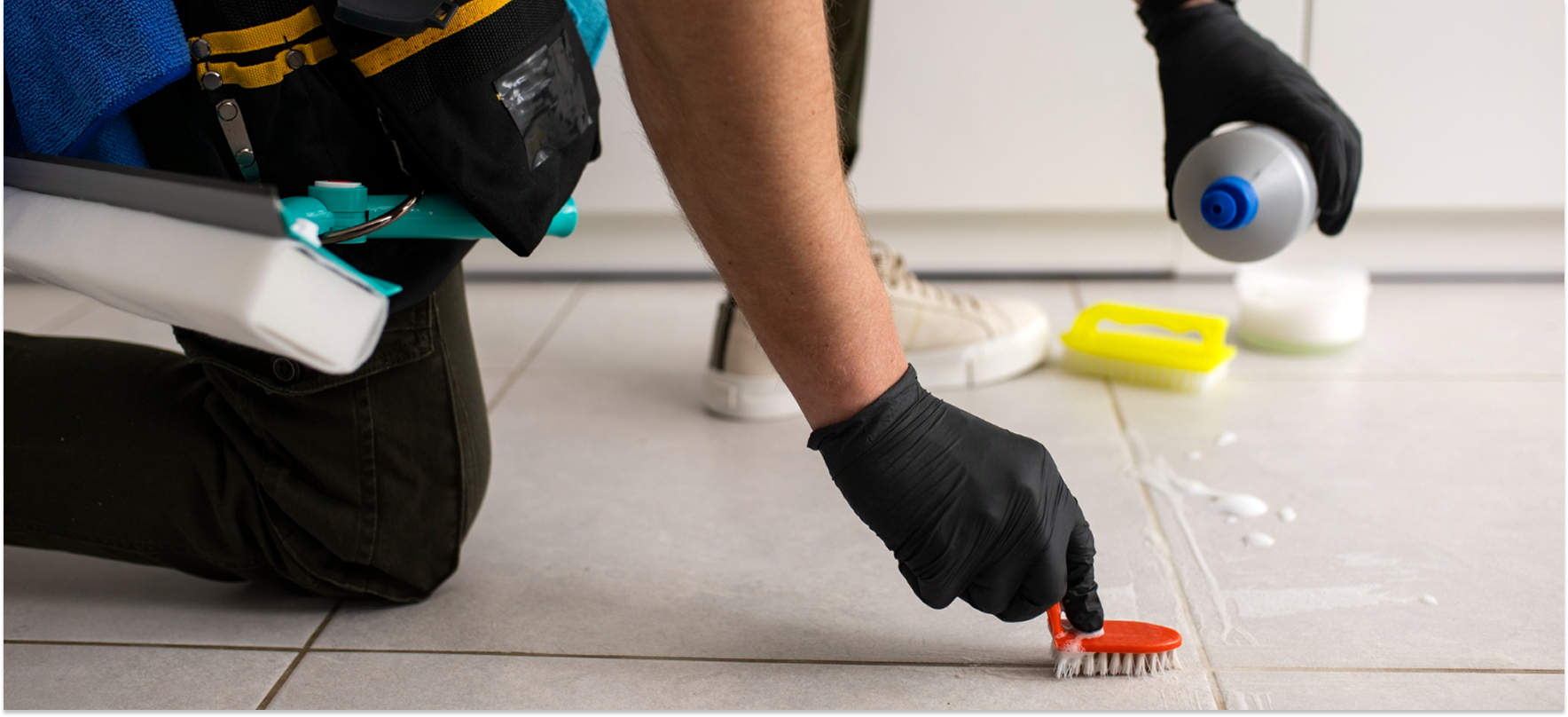
Bathroom Waterproofing Services

Areas Covered:

Overview:

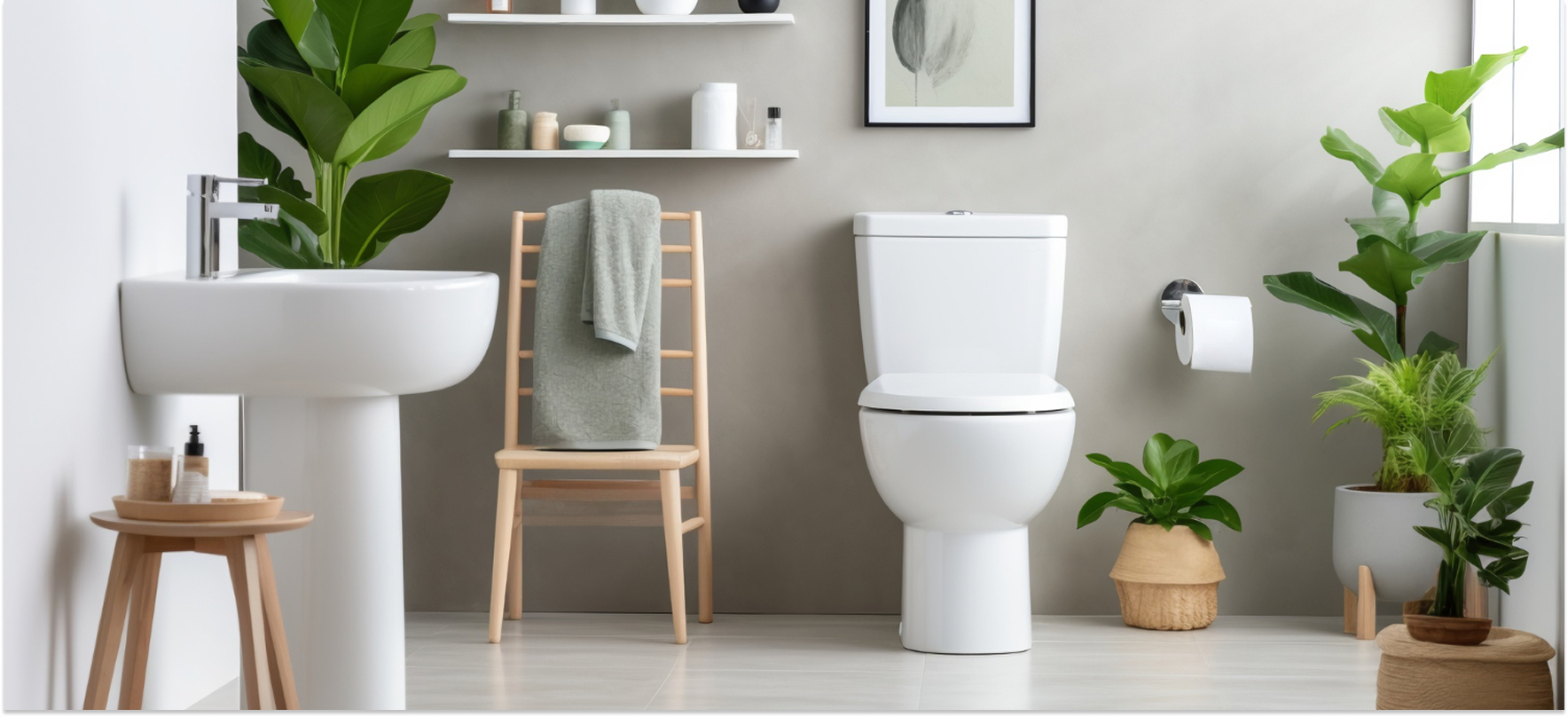
Bathrooms are high-moisture environments that often suffer from water seepage, leading to wall dampness, peeling, and structural damage. At MyRooftop, we specialize in advanced waterproofing solutions tailored for wet areas to prevent internal and external damage.

Our Process:

Step 1

Identify the root cause of leakage

Step 2

Assess the surface and choose the most effective chemical treatment

Step 3

Use only industry-leading, branded waterproofing materials

Step 4

Apply waterproofing at joints and edges without damaging tiles or finishes

Step 5

If deeper damage exists, seek customer consent before proceeding with repairs

Step 6

Execute the solution and seal the affected zones effectively


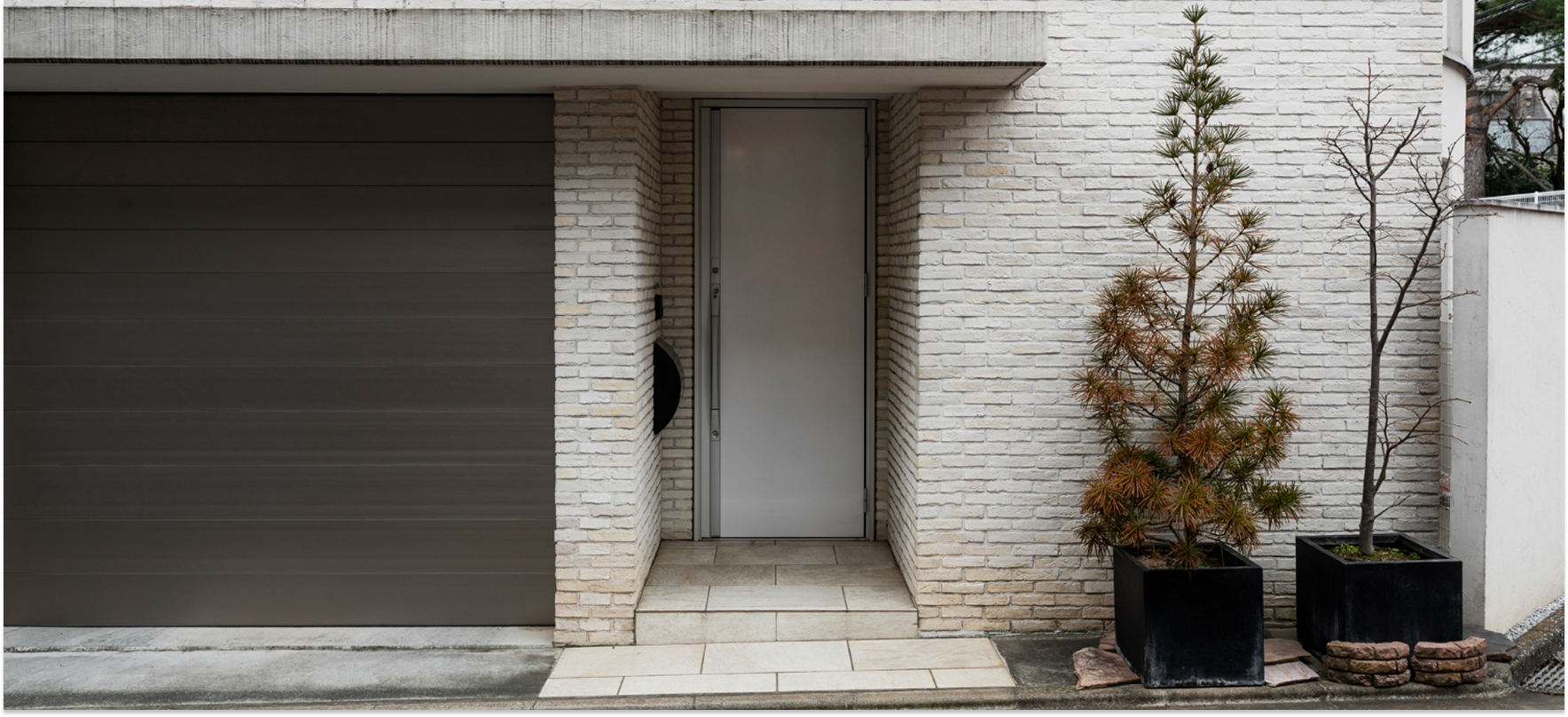
External Wall Waterproofing

Overview:

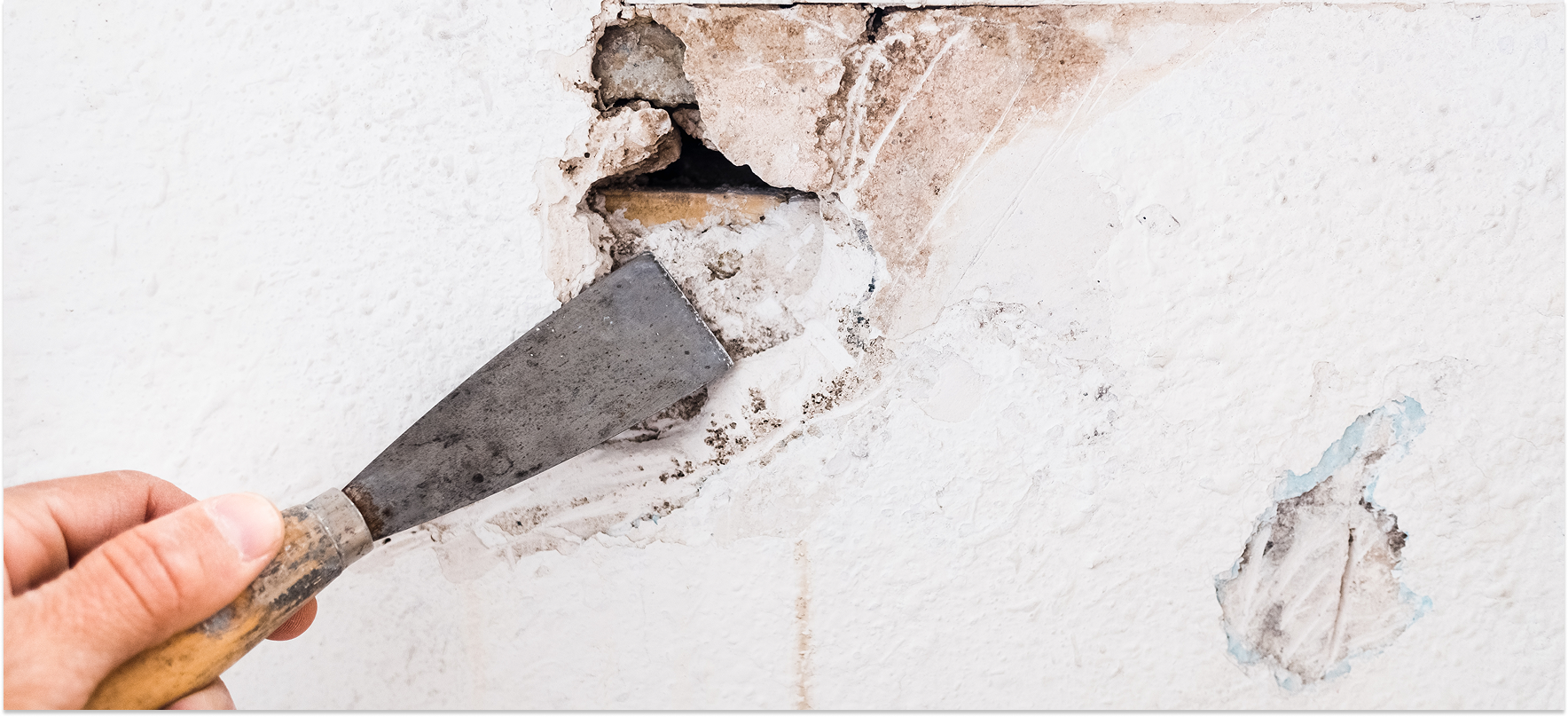
Exterior walls face weather fluctuations, moisture retention, and capillary action. Over time, porous materials like brick, concrete, and mortar absorb water, leading to leakage inside the building. MyRoofTop offers expert wall waterproofing treatments to prevent such deterioration.

Our Process:

Step 1

Inspect outer surfaces for cracks, efflorescence, or peeling

Step 2

Apply a primer and waterproofing coat from the base upwards

Step 3

Add a high-performance protective layer to ensure long-term resistance to weather


Grouting & Pressure Grouting

Services:

Overview:

Grouting is a reliable technique for filling voids, cracks, and leaks in both interior and exterior areas of buildings. It enhances structural strength and creates water-impervious barriers.

Our Process:

Step 1

Identify leakage points and surface weaknesses

Step 2

Select the appropriate grouting material (epoxy, cement, PU)

Step 3

Inject or spread grout precisely

Step 4

Fix anchors if necessary for load support

Step 5

Allow curing and finishing

Step 6

Conduct post-treatment testing to ensure stability and seal


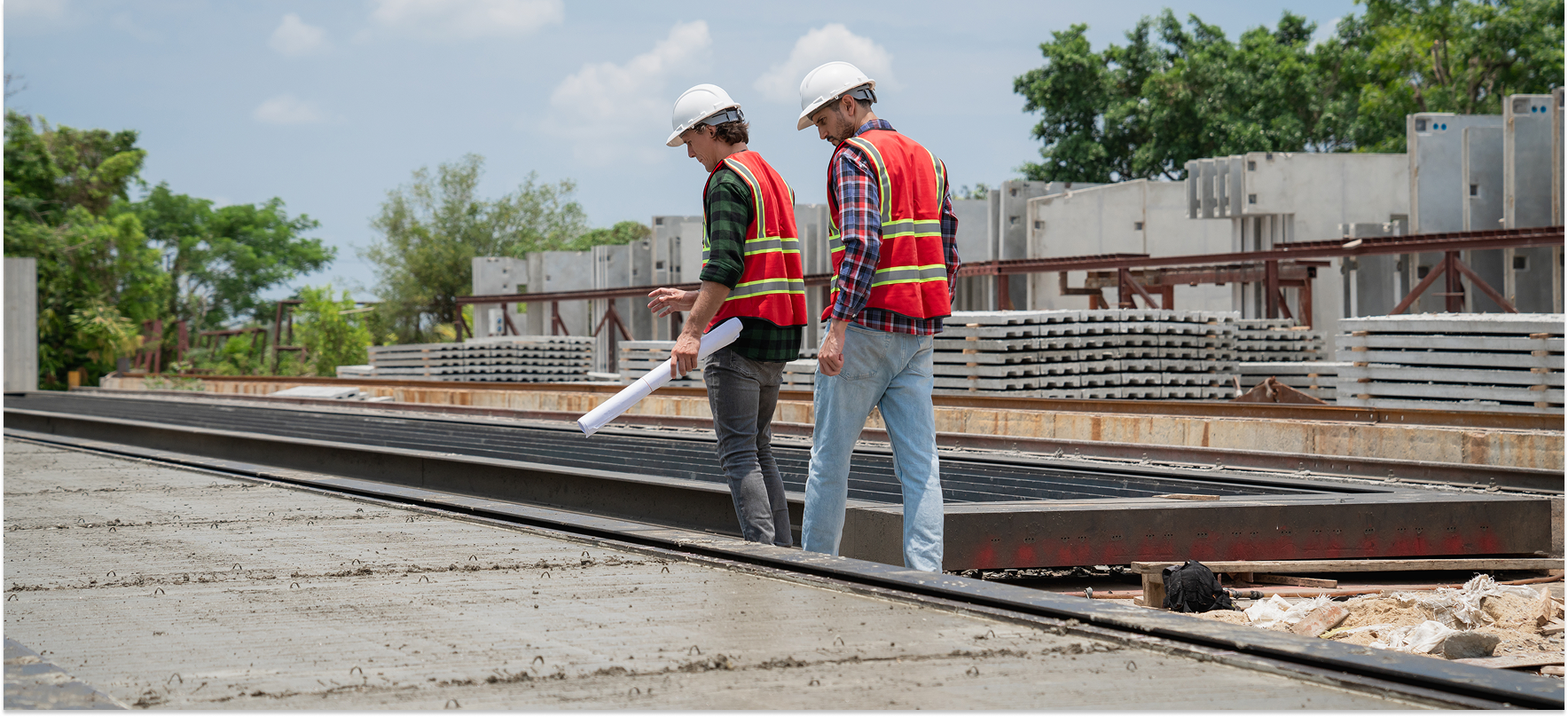
Terrace & Slab Waterproofing

Overview:

Terraces and slabs are exposed horizontal elements that are prone to water accumulation and penetration. Whether it's a roof slab or an intermediate floor, waterproofing these surfaces is critical to maintaining the building's integrity.

Our Process:

Step 1

Inspect terrace or slab surface for signs of dampness

Step 2

Prepare surface and remove old waterproofing

Step 3

Fill cracks and level surface with a polymer-modified mortar

Step 4

Apply waterproofing system including:

  • Primer
  • Base coat
  • Optional reinforcement mesh
  • Top coats for UV and weather protection
Step 5

Allow full curing

Step 6

Conduct flood testing for leak detection

Step 7

Apply screed or tiles to protect the waterproofed layer


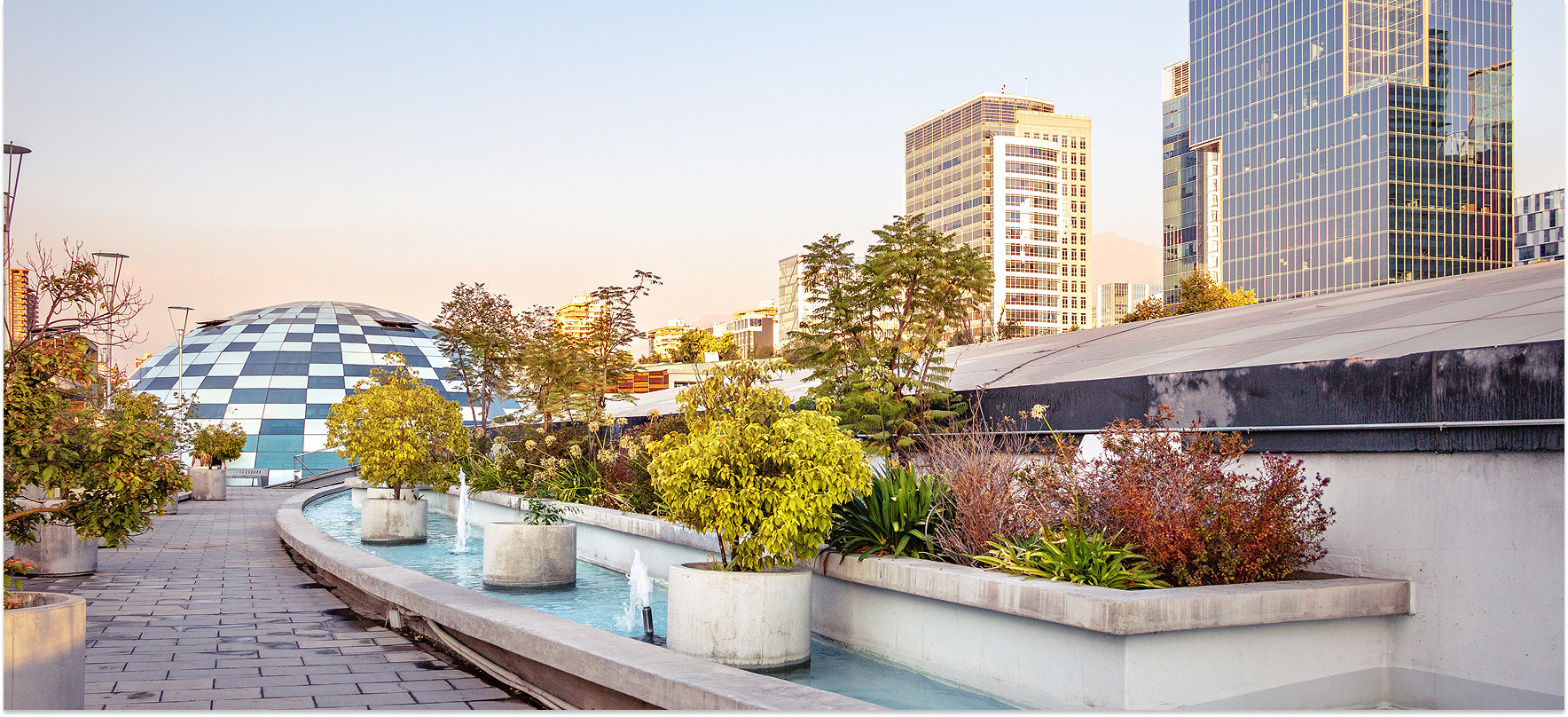
Roof Garden Waterproofing

Overview:

Roof gardens add beauty but pose a risk of seepage due to regular watering. Waterproofing is essential to prevent root penetration and structural dampness.

Our Process:

Step 1

Assess load capacity and prepare surface

Step 2

Apply primer

Step 3

Install root-resistant waterproofing membranes

Step 4

Perform flood test

Step 5

Add protection boards, drainage mats, and filtration layers

Step 6

Complete with soil bed and plantation


Water Tank Waterproofing

Applicable To :

Overview:

Water tanks often develop leakage due to continuous water storage and pressure. Our waterproofing ensures structural protection and safe storage.

Our Process:

Step 1

Drain and clean tank

Step 2

Repair visible cracks and reinforce corners

Step 3

Apply primer

Step 4

Coat with potable-grade waterproofing membrane

Step 5

Cure and test with 48–72-hour water filling


Crack Filling Services

Overview:

Small cracks are common but can lead to large-scale damage if left untreated. Crack filling restores surface integrity and prevents moisture ingress.

Our Process:

Step 1

Clean and V-groove the cracks

Step 2

Fill using acrylic, epoxy, cementitious, or PU materials

Step 3

Cure properly and optionally overlay with a waterproof membrane


Joint Sealant Application

Types:

Overview:

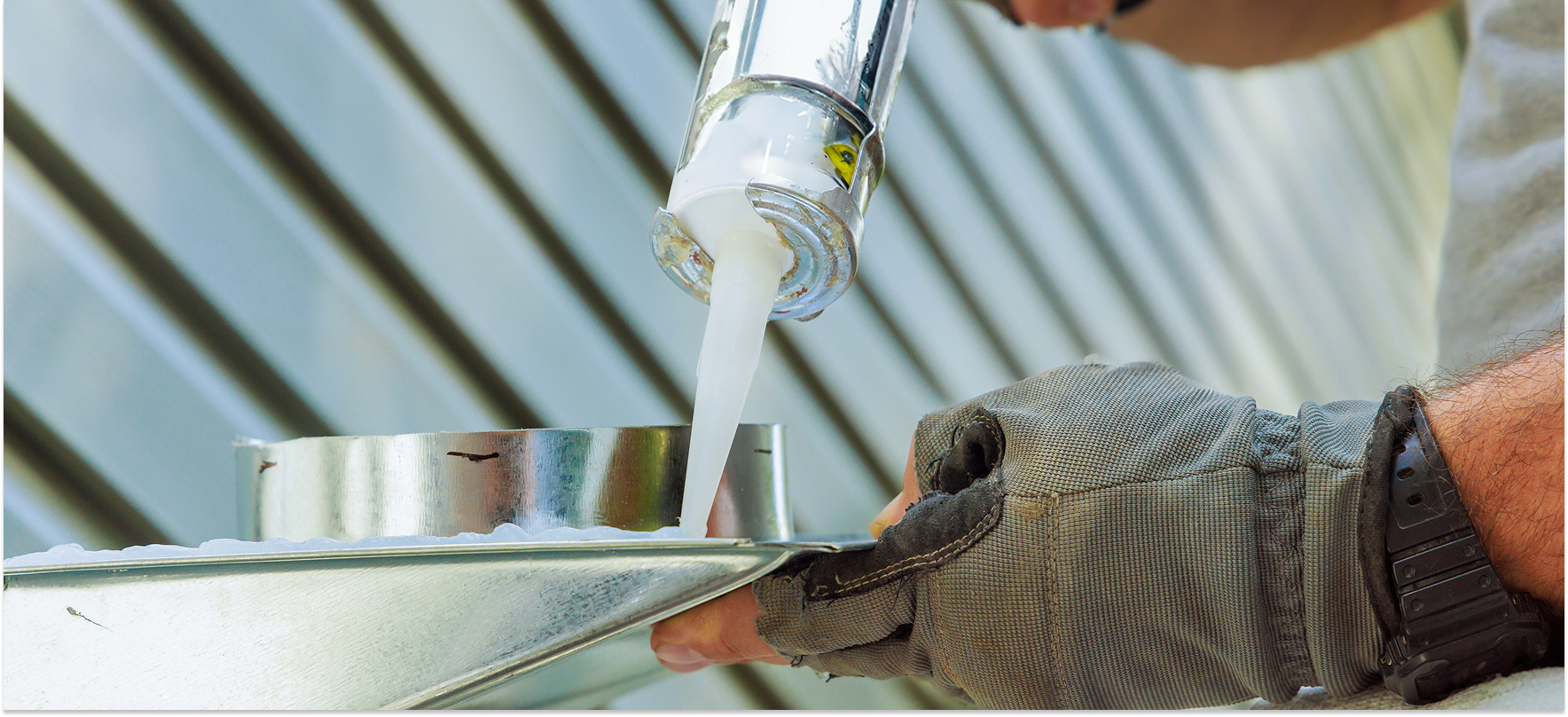
Sealants are used to fill expansion joints and structural gaps in concrete, glass, and metal installations, offering weather and water resistance.

Our Process:

Step 1

Clean joint and insert backer rod

Step 2

Apply primer if required

Step 3

Apply and tool the sealant

Step 4

Allow curing under recommended conditions


Brush Bond Coating
Brush Bond Coating

Applicable Areas:

Overview:

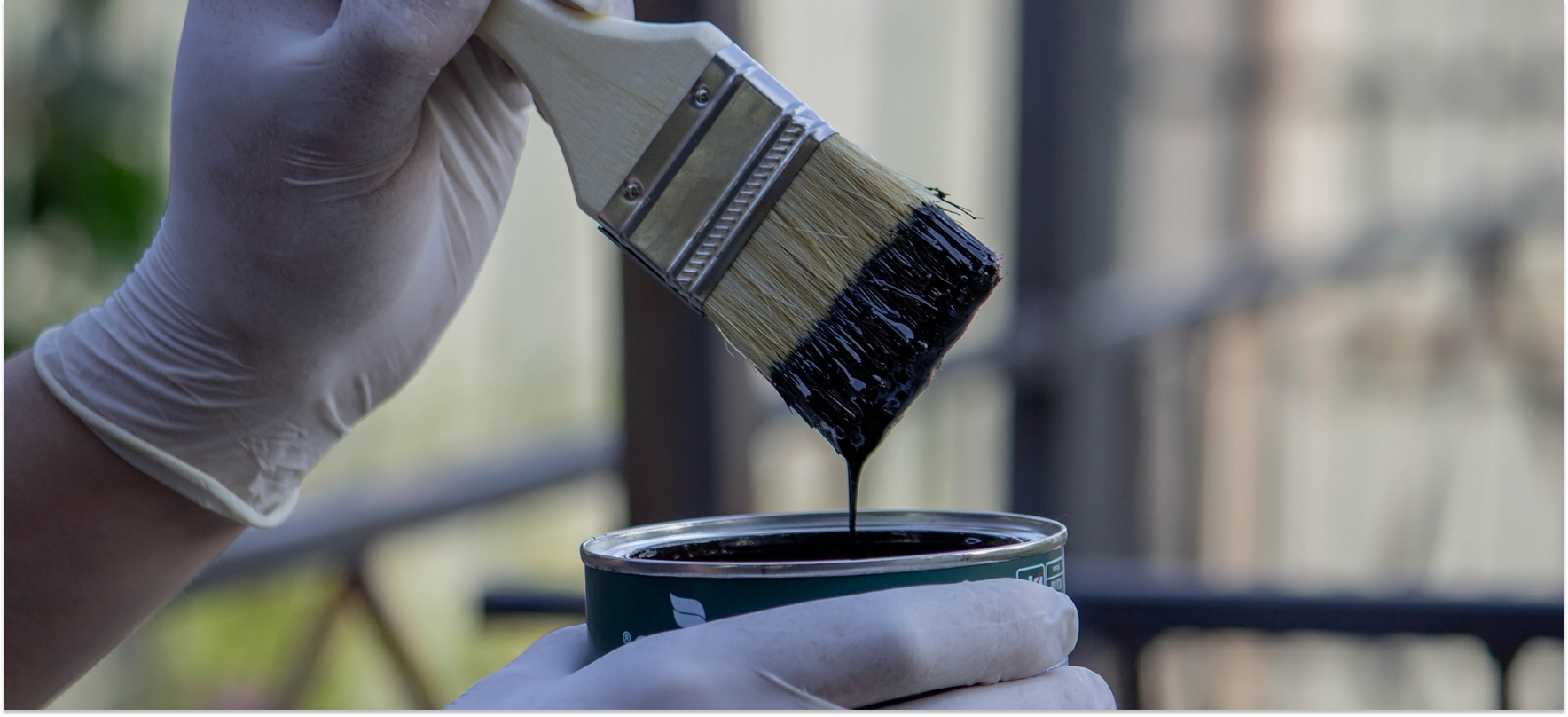
Brush bond is a cement-based coating that seals masonry and concrete surfaces, providing resistance to seepage and chemical attack.

Our Process:

Step 1

Clean and prepare the surface

Step 2

Mix the bond components

Step 3

Apply in two coats

Step 4

Cure thoroughly

Step 5

Apply a protective screed for high-traffic areas


Additional Service Categories

We also cater to the following:

  • • Existing Roof Waterproofing
  • • Roof Insulation & Reflective Coatings
  • • Sunken Slab Treatment
  • • RCC & Structural Repairs
  • • Podium Waterproofing
  • • Tiling Solutions & Joint Filling
  • • Basement and Damp Wall Treatment
  • • Car Parking Coatings
  • • Industrial Applications (Pharma, Auto, Electronics)
  • • Designer & Green Rooftop Makeovers

WhatsApp